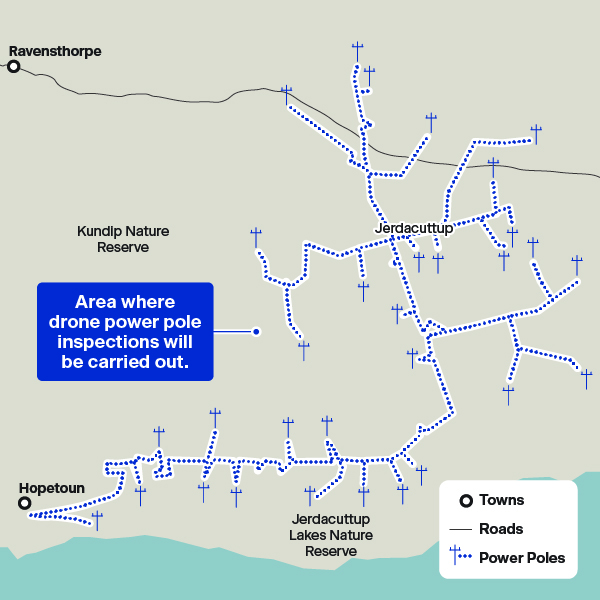
As part of our ongoing commitment to improve the safety, reliability and efficiency of the electricity network, we’re trialling two drone based power pole inspections across the Esperance and Hopetoun regions.
In Esperance, our crew physically visit and inspect approximately 24,000 power poles each year, which usually requires a team of five people and takes around nine months to complete.
With drones, inspections can be done autonomously, which means saving time and resources. It also keeps our crews safer, since they can remain on the ground instead of working at heights near live wires.
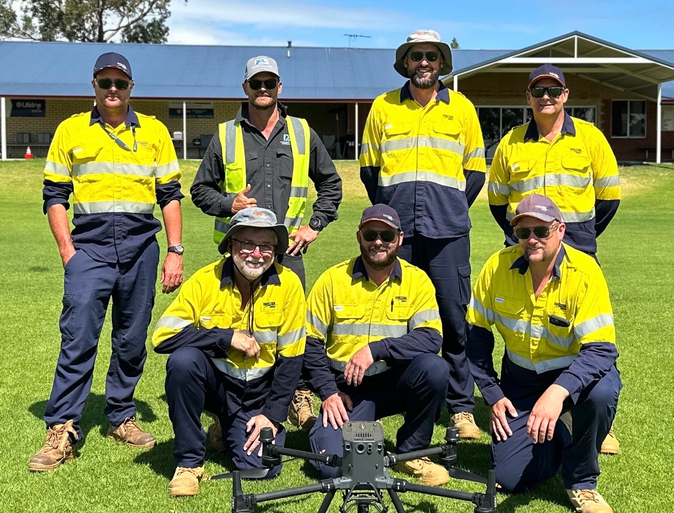
These trials will involve drones capturing images of poletop equipment in specific locations, with all flights conducted by trained crews who will remain on site during the drone flights. The inspections will not involve any surveillance of private property, with drones only capturing images of our network assets.
As part of Horizon Power’s broader geospatial intelligence program, the drones used in these trials are supported by advanced imaging tools; including GPS, highresolution cameras and LiDAR sensors designed to capture detailed spatial data about power poles and lines. This equipment enables multiangle pole top imaging and supports the creation of comprehensive 3D representations of network assets. The resulting data will help Horizon Power enhance condition assessment, monitor vegetation near powerlines and support future maintenance planning.
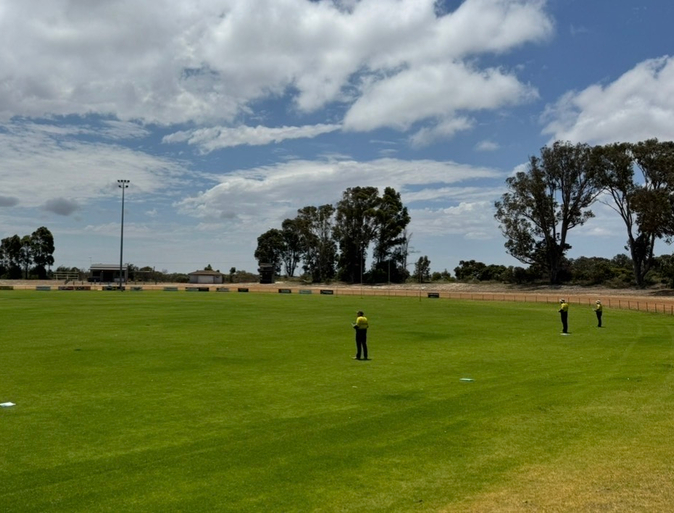
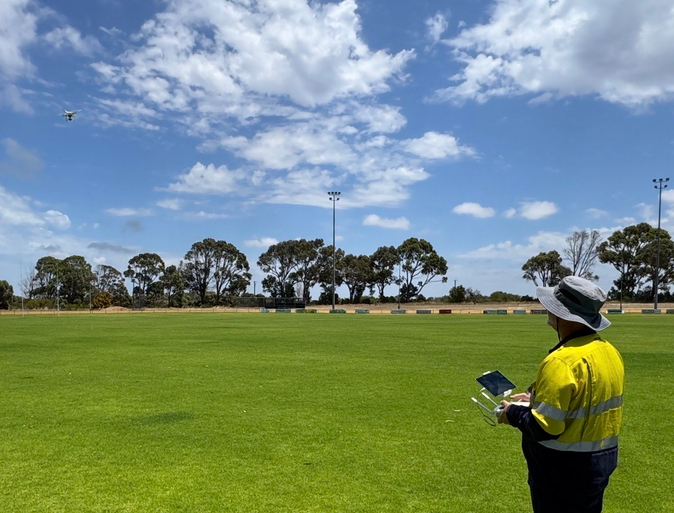
Our Horizon Power crews will operate small drones directly above or in line of sight of each pole to collect consistent poletop images, helping us assess how drone technology can improve the safety, accuracy and efficiency of future inspections.
Why drone trials matter
Introducing drone technology into our inspection program has the potential to:
- Improve accuracy and consistency of asset condition data
- Reduce the need for extended groundbased inspections and access to sensitive or difficult terrain
- Support safer working conditions for crews by reducing manualhandling and workingatheights exposure
- Enhance longterm reliability of the network through better visibility of asset condition and defect trends
These trials are an important first step in understanding how drones can complement existing inspection methods and support innovative approaches to maintaining a safe, reliable regional network.
What to expect
Residents may notice inspection crews and small drones operating near Horizon Power pole assets during the trial periods. Drone activity will be brief and focused only on poles scheduled for inspection in the two locations. If a power pole is located on private property, Horizon Power or authorised contractors may require access to safely carry out inspection or maintenance activities; this is always handled respectfully and with consideration for property entry requirements and biosecurity measures where relevant.
All drone flights will operate under strict visual line of sight conditions and in close proximity to a clearly marked Horizon Power vehicle, ensuring full operator control and clear community visibility throughout the inspection process. The drones follow planned routes and do not linger longer than necessary to complete each inspection.
We are committed to keeping communities informed, and we encourage customers to reach out if they have questions about the trials or Horizon Power’s broader asset inspection program.
FAQs
-
Why is Horizon Power using drones?
The drones are being used as a trial to inspect and capture images of above ground power poles with the aim to improve safety for our crews, increase inspection accuracy and speed up the process of identifying issues early.
-
When will the drone trials take place?
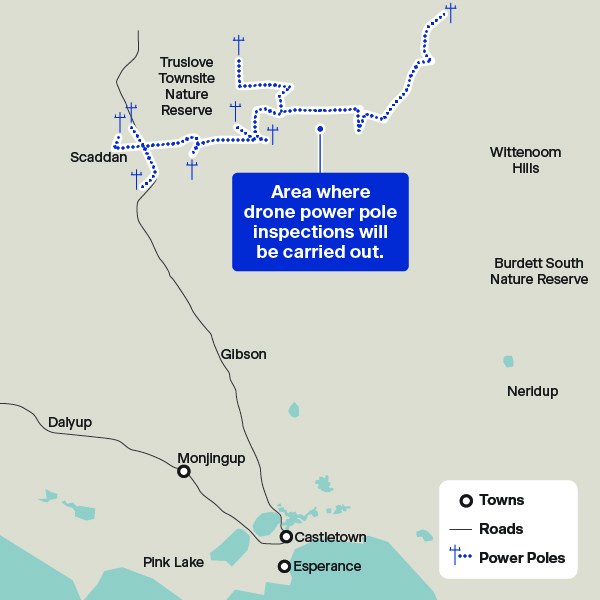
The trials will take place across two areas
-
Will the drones come onto my property?
The drones will be flown over the pole corridor, which in some cases is across private property. The drones are only capturing images of the pole and electrical equipment and not of private buildings.
-
Will my power be turned off during inspections?
No. We do not need to turn off power to conduct the power pole inspections.
-
What should I do if I see the drones in the air?
You do not need to do anything. The drones will be operated by trained and licenced Horizon Power employees, who will always be in close proximity of the drone.
-
What type of drones are being used?
For the trials we will be using the DJI Matrice 4 Series 4T which is ideal for safety inspections and emergency response.
Horizon Power acknowledges the Traditional Custodians throughout Western Australia and their continuing connection to the land, waters and community. We pay our respects to all members of the Aboriginal communities and their cultures; and to Elders past, present and emerging.
Aboriginal and Torres Strait Islander people are advised that this website may contain images, names or voices of deceased people.